Commercial Refrigeration Service — Santa Clara County and the Bay Area
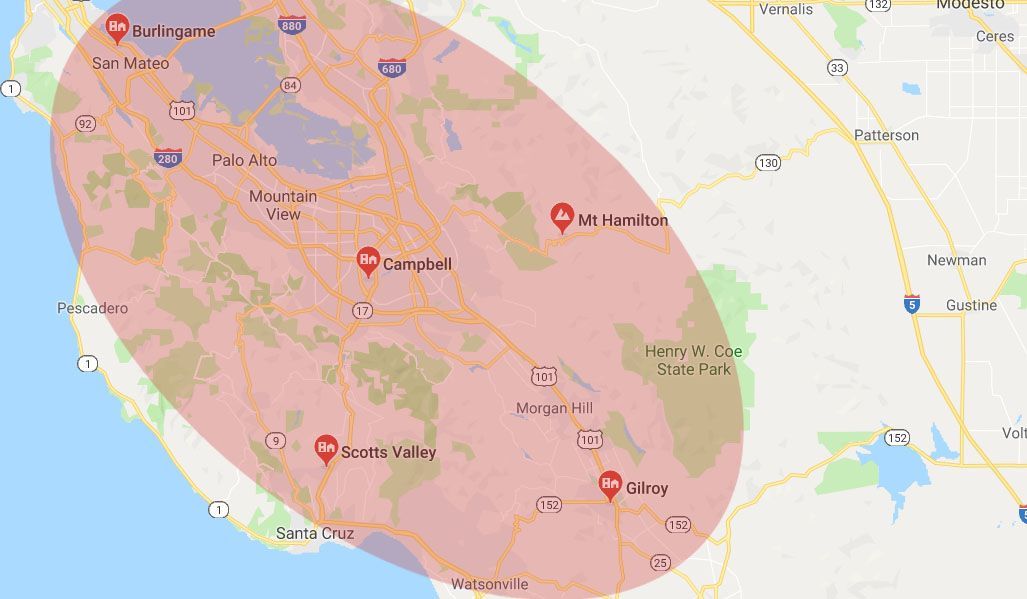
Unreliable cooling in a commercial building isn't just uncomfortable — it disrupts operations, drives tenant complaints, and produces emergency repair bills that a maintenance contract would have prevented. Wolfe Mechanical provides commercial AC repair, preventative maintenance, and installation for offices, retail spaces, and commercial buildings across Campbell, San Jose, and Santa Clara County.
Commercial Refrigeration Service — Santa Clara County and the Bay Area
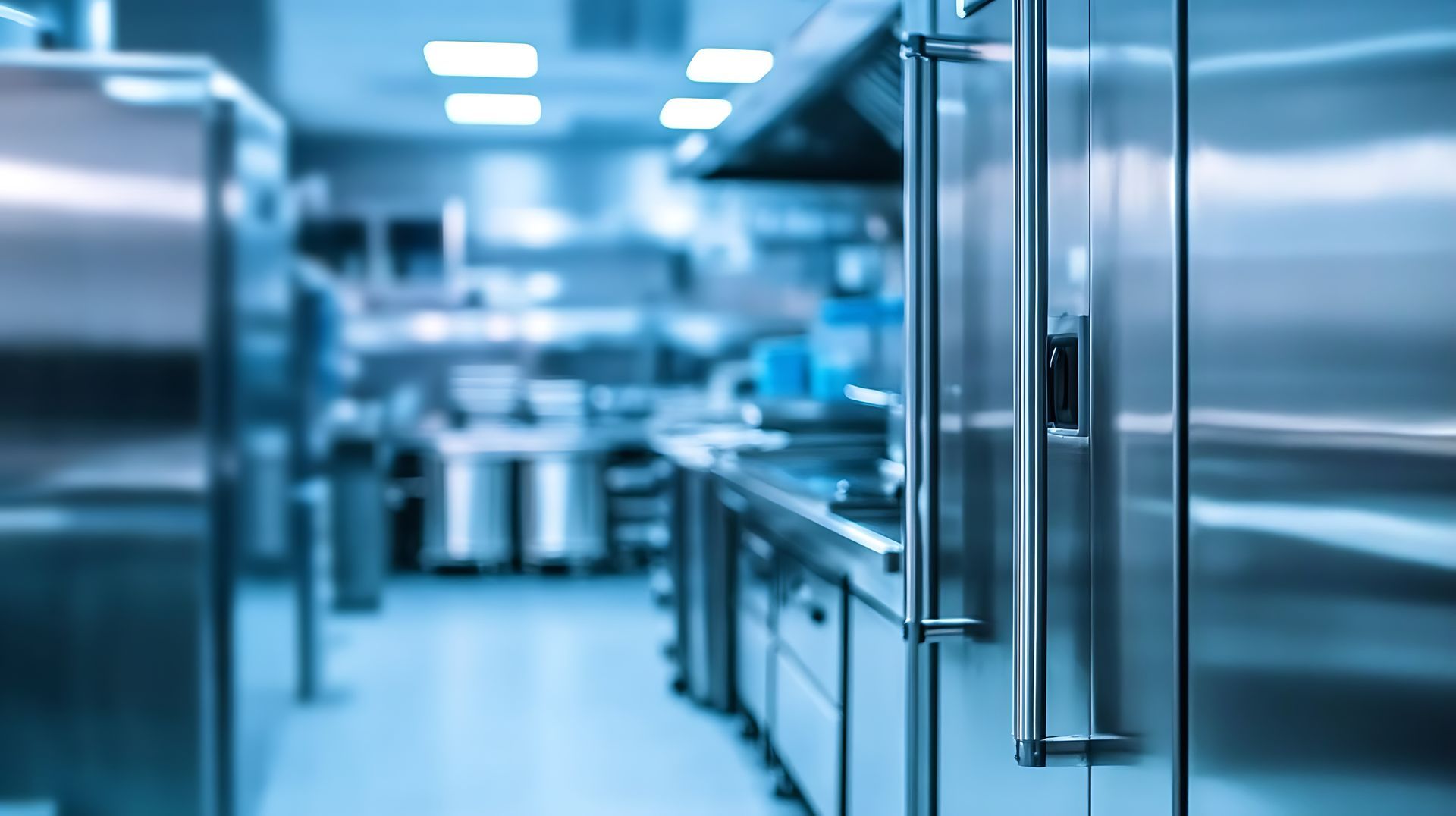
A refrigeration failure isn't a minor inconvenience. For a restaurant, it's spoiled inventory, a potential health code violation, and revenue walking out the door. For a school cafeteria or commercial kitchen, the stakes are the same. Wolfe Mechanical provides commercial refrigeration repair, maintenance, and installation across Santa Clara County — with technicians who know the equipment and response times that limit the damage.
Every Type of Commercial Refrigeration Equipment
Commercial refrigeration isn't one category — it's a range of equipment types that each have their own failure patterns and service requirements. We work on all of it.
- Walk-in coolers and freezers — repair, maintenance, and installation for commercial walk-in units
- Reach-in refrigerators and freezers — repair and maintenance for commercial reach-in equipment
- Display cases — service and maintenance for open and glass-door display refrigeration
- Kitchen prep tables — refrigerated prep units common in restaurant kitchens
- Restaurant refrigeration equipment — full-service coverage for commercial kitchen refrigeration
- Kitchen exhaust fans — service and maintenance for commercial kitchen ventilation
- School cafeteria and institutional refrigeration — high-volume equipment serviced on structured plans
Refrigeration PM — What Gets Checked Every Visit
Refrigeration maintenance isn't the same as HVAC maintenance, and a generalist approach misses the failure points that matter most in commercial refrigeration equipment. Our technicians check the components that drive the majority of commercial refrigeration failures.
Every refrigeration maintenance visit includes:
- Condenser coil cleaning and inspection
- Evaporator coil inspection and defrost cycle verification
- Refrigerant pressure checks and leak inspection
- Door gasket inspection and seal verification
- Temperature logging and calibration check
- Compressor and electrical component inspection
- Drain line clearing and pan inspection
- Recorded findings and written service summary
How quickly can Wolfe Mechanical respond to a commercial refrigeration emergency?
We typically respond within 24–36 hours across Santa Clara County. For clients with active maintenance contracts, refrigeration emergencies receive priority scheduling. If your walk-in cooler or freezer is down, call us directly rather than submitting a form — phone is faster.
What types of commercial refrigeration equipment do you service?
We service walk-in coolers and freezers, reach-in refrigerators and freezers, display cases, refrigerated prep tables, kitchen exhaust fans, and institutional refrigeration equipment for schools and commercial kitchens. We work on all major commercial refrigeration brands.
Can you cover both HVAC and refrigeration under one maintenance contract?
Yes. Most of our commercial clients with refrigeration equipment also run HVAC systems, and we can structure a single maintenance contract that covers both. One contract, one service team, one service history.
How often should commercial refrigeration be serviced?
Restaurant and high-use commercial refrigeration equipment should be on quarterly maintenance plans. The usage load, ambient temperature in commercial kitchens, and the cost of a failure in those environments make quarterly service the right interval for most operators. Lower-load commercial refrigeration can be managed on a biannual schedule.