Rebecca Shumard
Restaurant refrigeration equipment—including walk‑in coolers, reach‑in units, and display cases—requires scheduled preventative maintenance to prevent health code violations, spoiled inventory, and...
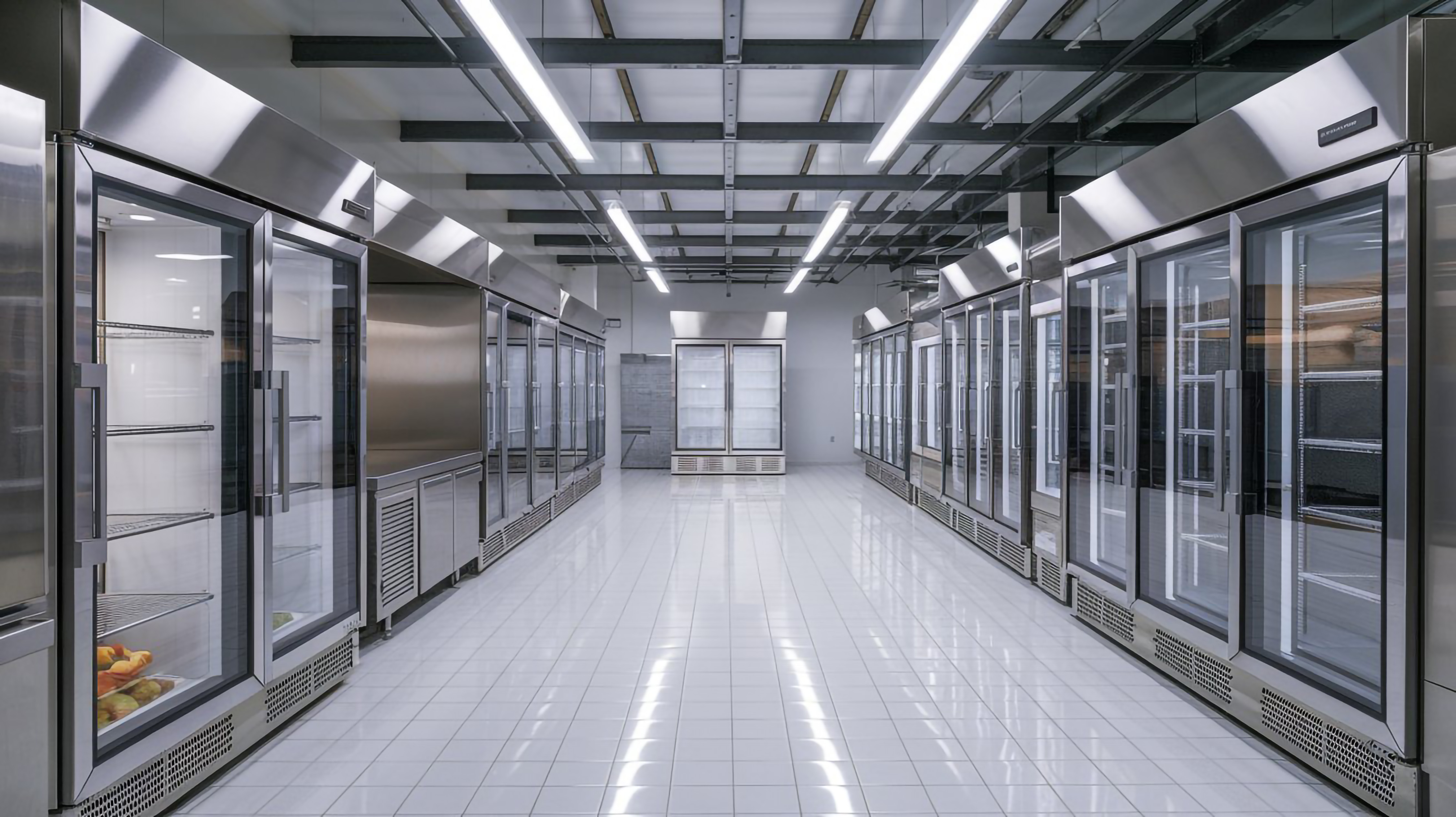
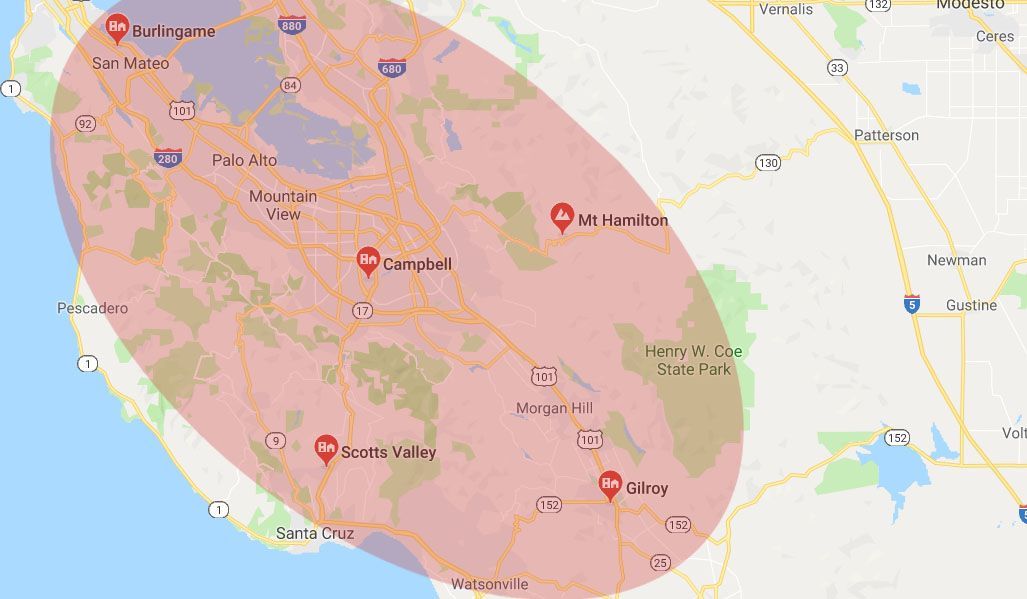
Restaurant refrigeration equipment—including walk‑in coolers, reach‑in units, and display cases—requires scheduled preventative maintenance to prevent health code violations, spoiled inventory, and costly emergency repairs. These systems run harder and longer than almost any other equipment in a commercial kitchen. Wolfe Mechanical provides commercial refrigeration maintenance and repair for restaurants across San Jose and Santa Clara County, typically responding within 24–36 hours from our home base in Campbell, CA. A consistent maintenance schedule is one of the most effective ways to protect your inventory, avoid downtime, and extend the life of your equipment.
Unlike residential appliances, restaurant refrigeration systems operate under constant load. Walk‑ins take frequent temperature hits from open doors, reach‑ins sit next to cooking lines, and condensing units often operate in tight, warm spaces. Because of this, even small issues—like a loose door gasket or a dusty condenser coil—can quickly escalate into major failures.
Why Restaurant Refrigeration Fails: The Most Common Causes
Most breakdowns in commercial kitchens can be traced back to a handful of root causes. Understanding these helps owners catch problems early and schedule maintenance before service‑interrupting failures occur. The most common contributors include:
- Compressor wear and overheating: Compressors work harder when airflow is blocked, refrigerant levels are off, or coils are dirty. Heat buildup reduces lifespan and increases failure risk.
- Refrigerant leaks or charge imbalances: Even a small leak can cause temperature swings, icing, and eventual system shutdowns. Low refrigerant is a leading cause of emergency service calls.
- Damaged or failing door seals (gaskets): Torn or loose gaskets allow warm kitchen air into the unit, forcing equipment to run constantly while struggling to stay in the safe temperature zone.
- Dirty condensers and evaporators: Grease, dust, and debris choke airflow, increase electrical load, and trigger high‑temperature lockouts.
- Blocked drains: Improper drainage causes pooling, odors, and potential contamination issues—something health inspectors watch closely.
These issues don’t appear overnight. They build gradually, usually detectable long before a complete failure. That’s why consistent preventative maintenance is essential for restaurants, particularly in high‑demand food service environments like San Jose and the wider Santa Clara County region.
The Real Cost of a Refrigeration Failure During Service
A failing walk‑in or reach‑in is more than an inconvenience. For restaurants, the downstream impact can be severe—and fast. Owners often underestimate the true cost until they’ve experienced it firsthand.
- Spoiled inventory: Even a few hours at unsafe temperatures can require disposal of hundreds or thousands of dollars in product.
- Health code violations: Temperature logs are a key point during inspections. Out‑of‑range coolers immediately raise red flags and can result in cited violations.
- Lost revenue: If prep ingredients spoil or display cases fail, parts of your menu may be unavailable. In worst cases, kitchens must temporarily shut down.
- Emergency repair costs: After‑hours or urgent refrigeration service can run significantly higher than routine visits—often several times the cost of preventative maintenance.
A single emergency call can easily reach $1,500–$4,000 depending on the repair and parts involved. By comparison, consistent maintenance is typically only a few hundred dollars per visit, making it a far more predictable and manageable cost.
What a Maintenance Visit for Restaurant Refrigeration Actually Includes
Restaurant owners often ask what happens during a refrigeration service visit. At Wolfe Mechanical, our team focuses on tasks that directly impact temperature stability, health compliance, and equipment lifespan. A typical visit includes:
- Checking and cleaning condenser coils to ensure proper heat exchange and prevent compressor strain.
- Inspecting evaporator coils for ice buildup, airflow restrictions, and drainage issues.
- Testing door gaskets for proper seal and checking hinges for alignment issues.
- Verifying refrigerant pressures and checking for signs of leaks or imbalances.
- Measuring temperature differential to confirm stable cooling performance.
- Clearing drain lines to prevent backups and sanitation issues.
- Inspecting fan motors and blades for wear, noise, or airflow obstructions.
- Checking electrical connections for loose wiring, corrosion, or overload risks.
These tasks address the most common causes of failure and help catch problems before they disrupt service. Because restaurant kitchens in San Jose and Santa Clara County tend to run hot and busy, even minor inefficiencies can accumulate quickly if left unaddressed.
How to Set a Maintenance Schedule That Aligns with Health Inspection Cycles
Restaurants typically see one or two health inspections per year, depending on the county. An effective preventative maintenance plan aligns service visits with these inspection cycles. Many of our Campbell, CA and San Jose clients choose to schedule refrigeration maintenance approximately:
- Quarterly for high‑volume kitchens, bars, and restaurants with multiple coolers.
- Biannually for lower‑volume or specialty food businesses.
- Just before known inspection windows to ensure temperature logs, gaskets, and equipment conditions are optimal.
By syncing maintenance to inspection timing, owners avoid last‑minute scrambles and ensure their equipment is in the best possible shape when it matters.
Kitchen Exhaust Fan Service — Why It Belongs in the Same Conversation
While refrigeration and exhaust systems seem unrelated, they operate in the same environment and directly affect each other. Poor exhaust performance increases kitchen heat load, which forces refrigeration systems to work harder. This accelerates wear, raises energy usage, and destabilizes temperatures.
Wolfe Mechanical regularly services both refrigeration and kitchen exhaust fans for San Jose restaurants—often during the same visit. Addressing both helps maintain balanced airflow, reduce load on cooling equipment, and extend equipment lifespan. Owners appreciate having one contractor who understands the relationship between these systems and can service them without juggling multiple vendors.
What to Look for When Choosing a Refrigeration Contractor
Not all commercial refrigeration technicians are familiar with the demands of restaurant environments. When evaluating contractors, focus on practical, operational factors:
- Response time: Restaurants can’t wait several days for service. Wolfe Mechanical typically responds within 24–36 hours.
- Experience with major brands: Walk‑ins, reach‑ins, display cases, and prep tables come from a wide range of manufacturers. Brand familiarity reduces diagnostic time.
- Ability to service both refrigeration and HVAC: Using one contractor for both needs simplifies scheduling and reduces overall maintenance cost. Wolfe Mechanical offers combined service contracts for this reason.
- Clear communication and documentation: Temperature logs, pressure readings, and inspection notes help owners track performance and prepare for health inspections.
For more details, visit our Restaurant Refrigeration & Exhaust Fans
page.
If you're a restaurant owner or manager in San Jose, Campbell, Los Gatos, Gilroy, or anywhere in Santa Clara County, our team is here to help keep your refrigeration equipment running reliably. Call 408-244-4040 or request a service quote to schedule maintenance or get support for an issue you're currently facing.